Tag Archives: faith

As a Christian, my daily walk is NOT focused upon Sinai-Moses-Torah-Letters-Days-Diets…

As a Christian, my daily walk is not focused upon Sinai or Moses or Torah or letters or days or diets…

Discussion,

Jesus was under Law (Galatians 4:4-5) and came specifically to those under the Law (Matthew 15:24) to proselytize them in the New Covenant’s Gospel of Grace and prepare them for ministry concerning Israel’s ordination as ministers of the Great Commission; this, in fulfillment of Elohim’s promise to Abraham (Genesis 12:3b); unfortunately, Israel’s children rejected both their Messiah and the Gospel and ultimately, the Great Commission (Matthew 23:37). Sinai-Moses-the Law Covenant were never the destination but a path to that Destination which is Jesus our Messiah and the Gospel of Grace (Galatians 3:24).

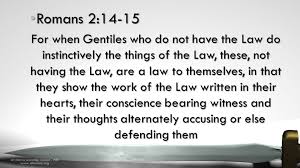
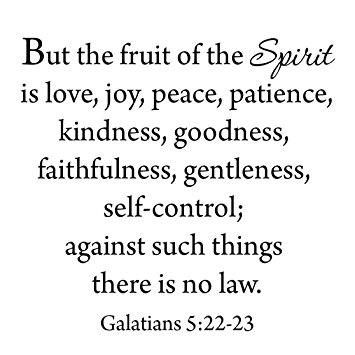
Jesus fulfilled the righteous mandates of the Law for us (Matthew 5:17) as He is the only One qualified via the virgin birth to fulfill the Law but Jesus ordained Paul to preach “a righteousness apart from the works of the Law” (Romans 3:20-21; Galatians 5:16; Ephesians 2:8-9; Romans 7:6; Romans 8:1-9; Galatians 2:21); therefore, the Christian is not enslaved to Sinai or Moses or Torah or Days or Diets, but the Christian lives and walks and obeys via the indwelling Holy Spirit who enlivens the comprehensive eternal Spiritual Law written upon the heart (Romans 2:14-15; Hebrews 10:16; Jeremiah 31; Ezekiel 36) and mates that Spiritual Law with the redeemed conscience (2 Corinthians 5:17) to produce “fruits of righteousness” (Galatians 5:16-23) through the redeemed in Jesus and this divine fruit fulfills all law, both codified and spiritual. Jesus said, “You will know them by their fruit” (Matthew 7:15-20); therefore, all that Jesus taught is fulfilled through obedience to the indwelling Holy Spirit given to all who believe that Jesus is Messiah (Ephesians 1:13-14; Galatians 5:16); therefore, Christians don’t chase after fragmented, incomplete Sinai or Moses’ irrelevant civil and ceremonial laws but Christians serve through the indwelling Holy Spirit (Romans 7:6).

In closing,

As a Gentile, I was never given Sinai or the Laws of Moses…I was NEVER under a Law Covenant-Torah but the Law I observe is infinitely superior to fragmented Sinai because the Law I observe is from the Spirit who is omnipotent and is able to intercede, discern, tutor, me in every moral decision made daily; this, during daily sanctification. I don’t live my life in letters or ordinances or days or diets…I live and thrive by the Spirit who is my Law and my Peace (Romans 5:1; John 14:16; John 16:13).

Why does the Scripture say committing one sin makes you guilty of all? James 2:10

Someone asked: “Why does the Scripture say that committing one sin makes you guilty of all?” (James 2:10) What alternative exists that makes one “right” with our Holy Creator?

Comment,

James 2:10 is complimented by Galatians 3:10 where we learn that the codified law (Sinai – Moses), in order to attain righteousness (a right standing) with the Father through law-keeping, the law must be kept, obeyed, in absolute perfection (James 2:10) because Elohim is Perfect in Holiness and Righteousness and NOTHING impure will ever enter the Kingdom (Rev 21:27); herein lies the human conundrum, everyone born of Adam’s genome has sinned and fallen short of Elohim’s standard of perfection (Romans 5:12; 3:23).

Therefore, anyone who seeks eternal covenant relationship with Elohim through law-keeping is under a “curse” (Galatians 3:10) because the law only defines our culpability but provides no form of reconciliation with the Father through atonement as mandated by Leviticus 17:11 (Romans 3:20); therefore, the Father, in His mercy and compassion and grace, offers us the righteousness- sinless perfection of His Son, Jesus Christ; this righteousness apart from the law (Romans 3:21); a gifted/imputed righteousness earned for us by Jesus’ perfection is imputed-gifted into and over our lives by faith in Jesus as our Messiah (2 Corinthians 5:21); a divine gifting of righteousness as first pictured in Genesis 3:21 which is an act of pure grace (unmerited favor we did NOT earn) actuated through the simplicity of faith-trust-belief that Jesus is Messiah who died to atone for our sin-debt owed the Father, a sin-debt we could never pay our self through vain acts of obedience to a law, rule, day or diet.

As a result of this gifted-imputed righteousness of Messiah Jesus over our life through faith in Jesus as our Messiah, the Father then agrees, by New Covenant promise, to forgive-forget our sin, eternally (Hebrews 8:12), thereby reconciling fallen humanity back to Himself as we are made “positionally right” with Elohim via New Covenant promise; then, the Father endows the faithful in Jesus with the indwelling Holy Spirit (Ephesians 1:13-14) who continues a good work within the redeemed via daily sanctification (Galatians 5:16) where the Spirit enlivens the Spiritual Law written upon the human heart (Romans 2:14-15; 8:2) and mates that Spiritual Law with a redeemed conscience i.e. “the new creation” in Messiah (2 Corinthians 5:17) and the Spirit produces divine “fruit” (Galatians 5:16-23) through the redeemed in Jesus, fruit that fulfills all law, both codified and spiritual; in this, there is eternal peace with Elohim (Romans 5:1).

Therefore, James 2:10 testifies that righteousness (a right standing) with Elohim (Genesis 1:1) is not possible through the law or vain attempts to obey same but that righteousness with Elohim can only manifest through faith in the “Righteous One,” Jesus our Messiah, and this righteousness is gifted-imputed by New Covenant promise and said righteousness cannot be earned through self-righteousness and anyone who seeks covenant with Elohim through self-righteousness is “cursed” (Galatians 3:10).

Concerning “bondage”to Sinai and “freedom” through the Holy Spirit (Romans 7:6)

Concerning those in bondage to Sinai and Moses…there is freedom and life in Christianity; this, through faith in Jesus and daily sanctification via the indwelling Holy Spirit (Romans 6:14; 7:6)…

Confession,

As a Christian, I know Sinai was given solely to Israel’s children for sanctification and eschatological purposes and I know that Sinai is but a mere fragment of my Lord’s comprehensive Spiritual Law that has been extant as an arbiter of free will subsequent the creation of the angels; therefore, I find that in the New Covenant, I’m not under or obligated to Sinai or Moses’ letters but I’m under grace (Romans 6:14) and I don’t live my life pursuing letters etched in stone or scratched upon parchment but I walk daily in sanctification via the indwelling Holy Spirit who enlivens the spiritual law written upon my heart (Romans 2:15-16; 8:2) and mates that law with a redeemed conscience (2 Corinthians 5:17) given through my faith in Jesus and the Spirit produces divine “fruit” (Galatians 5:16-23) through me that fulfills all law, eternally; therefore, I do NOT live daily thinking about, enslaved to or seeking obedience to Sinai or Moses but I live by the Spirit’s guidance and He walks me daily in a manner that glorifies the Father; in this, there is intimacy and divine peace (Romans 5:1).

Perhaps, one day, if you find, accept, receive, Jesus as your Messiah and receive the Holy Spirit as Guarantor of that New Covenant relationship (John 3; Ephesians 1:13-14), you will understand these words and live by the Spirit and not in bondage to letters that only condemn and curse you void atonement (Romans 3:20; Galatians 3:10; 2:16).

Why do Israel’s children still try to keep the Commandments for righteousness with Elohim?

Question was asked in a religious forum “…why [are] these people of Israel still keeping the ten commandments even though the covenant was faulted[?]”

Explanation,

Israel’s children rejected Messiah Yeshua sent to them (Matthew 15:24) and chose self-righteousness through law-keeping (Torah Law-Sinai-Moses) as opposed to faith in the One who kept the Law for us (Matthew 5:17) and offers us His righteousness imputed-gifted into and over our lives by faith in Him as Messiah; this, in exchange for our sin via New Covenant promise (2 Corinthians 5:21; Hebrews 8:7); therefore, Israel has stumbled over the Stumbling Stone laid in Zion (Romans 9:32); therefore, only a remnant of Israel’s children will escape the “second death” in Hell due unbelief (Isaiah 10:22; Romans 9:27; Rev 20:11-15); for this error, Israel’s children have been placed under Judgment, the Gospel taken from them and given to the Gentiles until the fullness of the Gentiles have entered the Kingdom of Elohim (Romans 11:25). This divine reality is relevant and observable to this very day. Yeshua is the only Way to life in the Kingdom of Elohim and this divine reality is an immutable Truth for Jew, Israelite, Gentile (John 14:6).

30 What shall we say, then That Gentiles who did not pursue righteousness have attained it, that is, a righteousness that is by faith; 31 but that Israel who pursued a law that would lead to righteousness did not succeed in reaching that law. 32 Why Because they did not pursue it by faith, but as if it were based on works. They have stumbled over the stumbling stone, 33 as it is.

Is true love for Elohim expressed by “Keeping the Commandments” or by “Faith”?

Someone said that “True love is keeping the Commandments.” Is this true?

Discussion,

The Commandments don’t espouse “love” but condemnation (Romans 3:20). Faith in the One who embodies the Commandments, the Logos of Elohim (John 1), espouses true love as that faith honors the Father (John 6:29) and engenders New Covenant relationship with Him (John 3) and subsequently engenders obedience through the indwelling Spirit (Galatians 5:16); therefore, the letter kills as it defines man’s culpability void atonement (Romans 3:20); the Spirit gives life through the Son via faith (2 Corinthians 3:6).

Divinely inspired obedience results from true love for the Son, the Father, the Holy Spirit, this, by faith and this engenders obedience inspired by the indwelling Holy Spirit via the production of divine fruit that fulfills all law, divine fruit of the Spirit that methodically fulfills every divine Commandment as there is no law against the fruit of the Spirit (Galatians 5:16-23).

Yes, Jesus did say “If you love me you will obey my Commandments” (John 14:15) but “love” comes first and true obedience naturally flows through the Holy Spirit given as Guarantor of New Covenant relationship with the Father (Ephesians 1:13-14) as true obedience is NOT possible void the Spirit (Galatians 5:16).

  1. Faith in Jesus that honors the Father (John 6:29).
  2. Receive the indwelling Holy Spirit and walk in obedience to the Spirit’s tutelage in daily sanctification producing fruit that honors the Father’s will (Ephesians 1:13-14; Galatians 5:16).
  3. Live in peace with Elohim, eternally (Romans 5:1).

The Holy Spirit’s purpose within the Realm of Time?

Someone said that the Holy Spirit is a Comforter but does not convict the World of sin. Is this true? What is the purpose of the Holy Spirit?

Discussion,

The Holy Spirit is the Arbiter of free will concerning the human conscience relevant to behavioral discernment; this, pertaining to both the lost and the redeemed as the Spirit is a “restrainer” of evil (2 Thessalonians 2:7); therefore, the Holy Spirit urges humanity toward behaviors that are sustainable and His intercession and work in the life of the Christian is magnified by the Spirit’s indwelling presence given as Guarantor of Covenant through faith in Jesus as Messiah (Ephesians 1:13-14; John 14:16; Galatians 5:16).

It is the seared, corrupted, human conscience, the stubborn and defiled conscience that has repeatedly eschewed the intercession of the Spirit that is given-over to a life of nihilism and defilement; therefore, how can one say that the Holy Spirit plays no role in convicting the individual and the World of sin (Romans 1:18-32)?

The Holy Spirit and Christian sanctification,

Concerning the redeemed in Jesus, it is the sanctifying work of the Holy Spirit during daily Christian sanctification as Counselor, Teacher and Tutor (John 14:16; 1 John 2:27) that prepares the Christian for service in the New Jerusalem; therefore, I disagree with you that the Holy Spirit plays no role in convicting the conscience of ungodly conduct as this conviction is the initiation phase of repentance, repentance being essential for salvation concerning the lost and essential for restored intimacy concerning the redeemed in Jesus who inevitably relent to the Adamic sin-nature from time-to-time; hence, the need for John 3 concerning the lost and the need for 1 John 1:9 concerning the redeemed in Jesus.

Void the presence of the Holy Spirit in the World as a Restrainer of evil, human kind would implode in unrestrained narcissism and nihilism; this, as the Holy Spirit is the Logistical overseer of the Creation narrative (Genesis 1:2) and the Divine Restrainer of the Evil One (Galatians 5:16; 2 Thessalonians 2:7); this, for Elohim’s eschatological purposes going forward.

Jesus said,

The Work of the Holy Spirit

“I did not say these things to you from the beginning, because I was with you. 5 But now I am going to him who sent me, and none of you asks me, ‘Where are you going?’ 6 But because I have said these things to you, sorrow has filled your heart. 7 Nevertheless, I tell you the truth: it is to your advantage that I go away, for if I do not go away, the Helper will not come to you. But if I go, I will send him to you. 8 And when he comes, he will convict the world concerning sin and righteousness and judgment: 9 concerning sin, because they do not believe in me; 10 concerning righteousness, because I go to the Father, and you will see me no longer; 11 concerning judgment, because the ruler of this world is judged. The Gospel of John, Chapter 16

Understanding Matthew 7:21-23 (Works or Faith-Relationship?)

Understanding Matthew 7:21-23: What is Messiah Jesus teaching; a works salvation or salvation by faith? Is the quality of work performed at question or the absence of Covenant relationship with the Father?

Discussion,

Before we begin, for contextual concerns, please note that the divine discourse of Matthew 7:21-23 immediately follows Messiah’s teaching concerning “fruit” as works that identify the motives of the individual performing same, see Matthew 7:15-20.

If one has NOT established New Covenant relationship with the Father by faith in the Son, Jesus Christ, their works, their efforts, their prayers, are interpreted as a “filthy garment” (literally: bloody menstrual cloth) in the nose of Elohim (Isaiah 64:6); therefore, anything done by humanity with the motive of “earning righteousness” (a right standing with the Father) through human effort is lawlessness and putrid from Elohim’s perspective. Elohim first demonstrated this for you in Genesis 3:21 immediately subsequent Adam’s disobedience as Elohim, Himself, shed innocent blood and clothed Adam in a robe of imputed-gifted righteousness (2 Corinthians 5:21) while rejecting Adam’s self-righteous attempts to cover and conceal his own shame with fig leaves (Ephesians 2:8-9).

What are the “works” articulated in Matthew 7:21-23?

1) “did we not prophesy in your name?” Prophesy is not a lawless work if it is performed through the indwelling Holy Spirit who is given to all who believe (Ephesians 1:13-14).

2) did we not “cast out demons in your name?” Casting out demons is NOT a lawless work if it is performed in the Name of Jesus via the power of the indwelling Holy Spirit given to all who believe in Jesus as Messiah (Ephesians 1:13-14).

3) did we not “do many mighty works in your name?” Working and dedicating oneself to the ministry of Elohim in the divine Name of Jesus is NOT a lawless work if it is done with a pure motive via FAITH through the indwelling Holy Spirit.

Therefore, we must logically conclude that the works of these rejected by Jesus in Matthew 7:21-23 were not lawless on their face but lawless because they were done void the Holy Spirit and were therefore done in the flesh under girded by self-righteous motives apart from FAITH.

Jesus confirmed the self-righteous nature of the works performed by clearly telling those who were rejected that “I never knew you, depart from me you workers of lawlessness.” Therefore, it is COVENANT RELATIONSHIP, the ABSENCE of same, that is the focal point of Messiah’s teaching and NOT quality of work done!

If one desires to enter the Kingdom of Elohim, they must FIRST comply with the Father’s will; that is, “believe in the One He has sent into the World” to provide you blood atonement for your sin (John 6:29); then, the works of obedience performed SUBSEQUENT salvation by faith in Jesus, alone, must be done through the indwelling Holy Spirit via the production of divine fruit (Galatians 5:22-23) in order that those works be divinely motivated and acceptable to the Father and actually pass the test for authenticity at the BEMA Judgment.

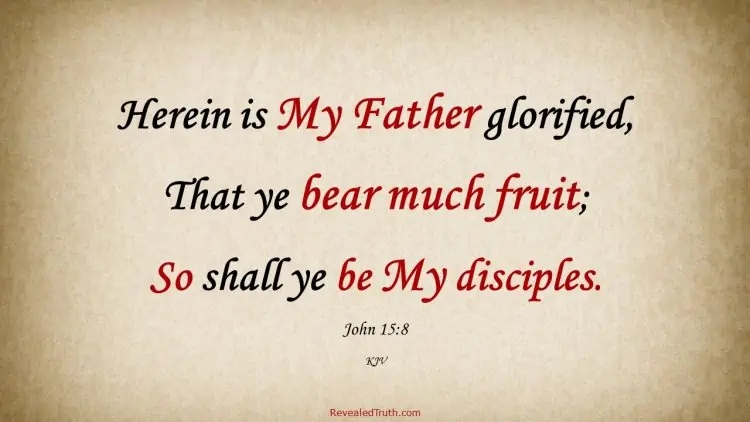
Therefore, we must conclude that Jesus, in Matthew 7:21-23, is teaching the eternal mandate of Covenant Relationship by grace through faith as a divine PRIORITY if one’s works performed subsequent salvation by faith are to be considered honorable and pleasing to the Father, Son and Spirit in that Day (John 15:8).

Proverbs 14:12, its applicability in the New Covenant

Please explain Proverbs 14:12, its applicability in the New Covenant…

“There is a way which seemeth right unto a man, but the end thereof are the ways of death.”

Discussion,

It is the natural propensity, inclination, of human kind, the pride of life, the narcissistic rendering of the Adamic sin-nature, to be self-reliant, self-sustaining, introverted and self-righteous possessing the innate ability to cover and conceal and atone for one’s own sin; this is the “way” that seems right to a man or woman; therefore, the spiritual truism of reliance upon a “god” or a supernatural being for forgiveness of sin, sustainability of life, wisdom, discernment, is preposterous and the logic of a weak minded fool, but Jesus and the Holy Spirit teach that the humble shall be exalted while the prideful shall be made low and shameful (Matthew 23:12; 1 Peter 5:5-6); Jesus teaches that unless one humbles them self and becomes child-like in their faith, they will not see the Kingdom of Elohim (Matthew 18:4); Jesus teaches that He is the ONLY WAY to life in the Kingdom (John 14:6) and that eternal New Covenant relationship with the Father is established only through the profound yet simplistic reality of “faith” (trust-belief) and that void “faith” it is NOT possible to please Elohim (Ephesians 2:8-9; Hebrews 11:6); therefore, the way that seems right to prideful, narcissistic, self-righteous, humanity is the way of death but the Way of “faith” apart from self-righteousness is the Way of everlasting life and Jesus is the “Rock of stumbling” for the natural man and there are “many” who will die in Hell due to the sin of self-righteousness which naturally manifests in denial, rejection, of Jesus as Messiah (1 Peter 2:8; Romans 9:33; 1 Corinthians 2:14; 1 John 2:16-17; Matthew 7:13-14).

Nineveh and Salvation prior to Jesus?

Question posited in a Jewish religious forum:

“Christians, how do you explain the book of Jonah and the people of Nineveh (gentiles) repenting and being saved prior to Jesus?”

Christian response,

From Adam forward, humanity was provided covenant righteousness with Elohim by faith-trust in Elohim as the One true Deity, our Creator and Sustainer; this same truism was relevant for those in Nineveh.

Messiah’s presence in Time and His work at Golgotha simply paves the path to life in Eternity in response to the prerequisite of Leviticus 17:11 which was first pictured for humanity in Genesis 3:21; that is, the shedding of innocent blood as atonement for sin. It is “faith” in Jesus as Messiah that initiates a covenant of righteousness with the Father and it is the blood of Jesus that permits entry into the Kingdom via satisfactory atonement as mandated by the Father (1 Peter 1:18-19).

Though men and women in the Old Testament found righteousness with Elohim via “faith” (Hebrews 11), their sin required atonement before entering the Kingdom, a Kingdom where “nothing impure is permitted to enter therein” (Revelation 21:27); therefore, the Old Testament saints were interned in Sheol/paradise (Hades in the Greek) awaiting Messiah’s work at Golgotha.

Subsequent Messiah’s atoning sacrifice, those who die in body having expressed faith in Messiah Jesus are now immediately translated into the presence of Elohim in a disembodied spiritual state awaiting the resurrection as modeled by Messiah (2 Corinthians 5:8; Philippians 3:21). The imperishable resurrected body will be the eternal life form for all of redeemed humanity throughout Eternity.

Finally, it’s important to note that the people of Nineveh repented of their sin in response to Jonah’s preaching and sought righteousness through faith exhibited, validated, by their righteous efforts to eschew evil; unfortunately, much like the people of Israel, the Ninevites did not hold fast to their covenant of repentance and obedience but once again fell prey to defilement and were subsequently judged harshly for their unfaithfulness.