If we confess our sins, he is faithful and just to forgive us our sins and to cleanse us from all unrighteousness. 1 John 1:9 (ESV)
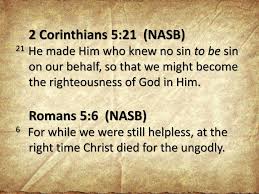
Christian forgiveness in the New Covenant (Hebrews 8:12) is manifest not through obedience or one striving to be obedient subsequent salvation but a Christian’s forgiveness is the result of the imputed-gifted perfection of Jesus over the life of the one who believes that Jesus is Messiah (2 Corinthians 5:21).
The Father makes an affirmative choice via New Covenant promise (Hebrews 8:12) to NOT see the sin of those redeemed by faith in the Son but the Father only sees the righteousness of His dear Son over the life of the faithful in the New Covenant and thereby declares that person “not guilty,” eternally (2 Corinthians 5:21; John 10:28-30).
With that said, the Christian becomes a “new creation” (2 Corinthians 5:17) and their attitude, their perception, of sin and the World changes due to the presence of the indwelling Holy Spirit (Ephesians 1:13-14) who begins a good work within the Christian as the Spirit arbitrates the redeemed conscience and during daily Christian sanctification, the Spirit points the redeemed toward righteousness; He does this through His anointing whereby the Spirit produces divine fruit (Galatians 5:16-23) through the redeemed and this fruit fulfills all law; both, codified and spiritual (Galatians 5:23) while this fruit actually pleases the Father and proves one to be a disciple of Jesus (John 15:8).
The Holy Spirit has provided the Christian 1 John 1:9 not for the restoration of New Covenant relationship due to a Christian’s sin but 1 John 1:9 restores intimacy with our Creator which is the most prized element of salvation.
The Christian is in a battle, an inner struggle between the Adamic sin-nature (Romans 5:12) and the New Nature in Messiah (Romans 7:14-25; 2 Corinthians 5:17) and though the Christian hates sin, deplores its presence, they do, from time-to-time, fall short of perfect obedience; therefore, that disobedience does NOT destroy New Covenant relationship but fractures the coveted intimacy with our Lord; intimacy is disrupted due disobedience; therefore, the Christian confesses their short coming as per 1 John 1:9 which results in a clear conscience and restored intimacy….much like apologizing to a best friend for having wronged them…the relationship remains intact but there is a sense of division and loss of intimacy…an apology forthcoming heals this fracture and restores fellowship.