Why didn’t Elohim the Father simply destroy Satan for the Great Rebellion?
Satan’s rebellion and the one-third of the angelic creation that followed Satan in that Great War (Revelation 12) created a relationship conundrum for Elohim the Father relevant to how should He deal with the rebellion of His most cherished cherub and not destroy a trusting, eternal, loving, relationship with the two-thirds of the angelic creation that remained loyal to Elohim? Had Elohim destroyed or immediately incarcerated Satan, Elohim risked true volitional love with/from His faithful angelic creation as they would have viewed Elohim as a tyrant who demanded worship and love or death, destruction, followed for disobedience. True, free will love and adoration and genuine relationship cannot exist in an atmosphere of fear and trepidation.
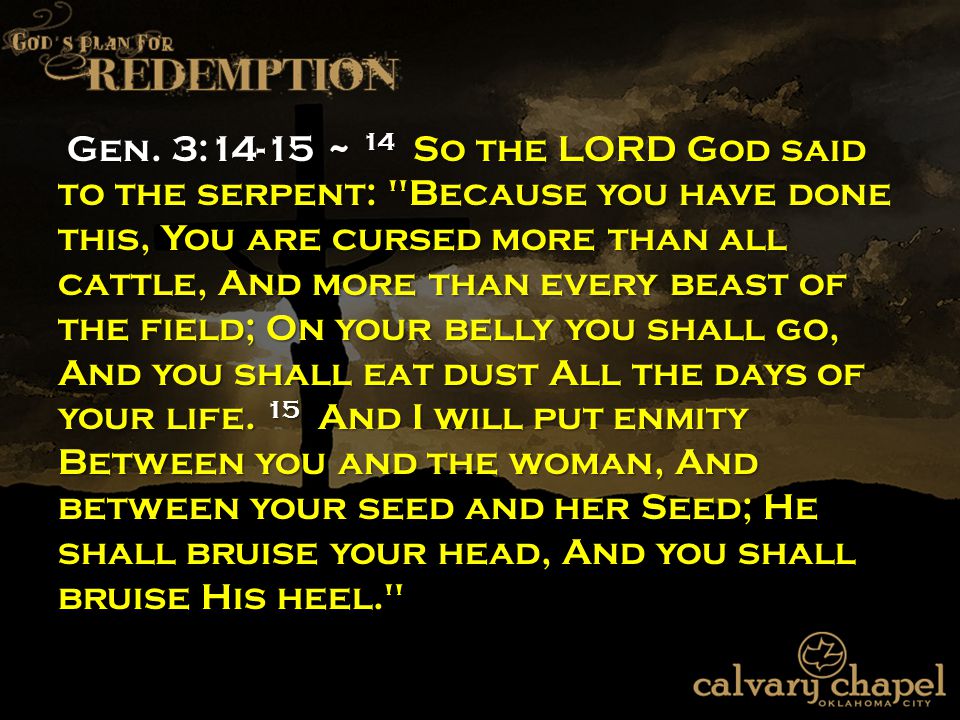
Satan/the Devil is an anointed cherub angel, he does not die (Ezekiel 28:11+; Luke 20:36). Elohim, before creating the World, enacted a divine plan to deal with Satan through Elohim’s own, selfless, sacrificial, love i.e. the Gospel (2 Timothy 1:8-10; Genesis 3:15; 1 John 3:8b).
What Elohim the Father has done through the creation narrative is relocate the Great Rebellion in the Kingdom to this temporary Earth and partially constrained that great war within the constraints of Time and physics. Elohim declared war between Elohim the Son and Satan in Genesis 3:15. The Son would manifest in Time apart from the seed of Adam (the male) which transfers the sin-nature (Romans 5:12); hence, the Son’s natural birth through the seed of a woman via Elohim the Holy Spirit, not the man (Luke 1:25). This would permit Elohim the Son to bypass the Adamic sin-nature, remain without sin, fulfill the mandates of sin atonement via the shedding of innocent blood as per Leviticus 17:11 (1 Peter 1:18-19).
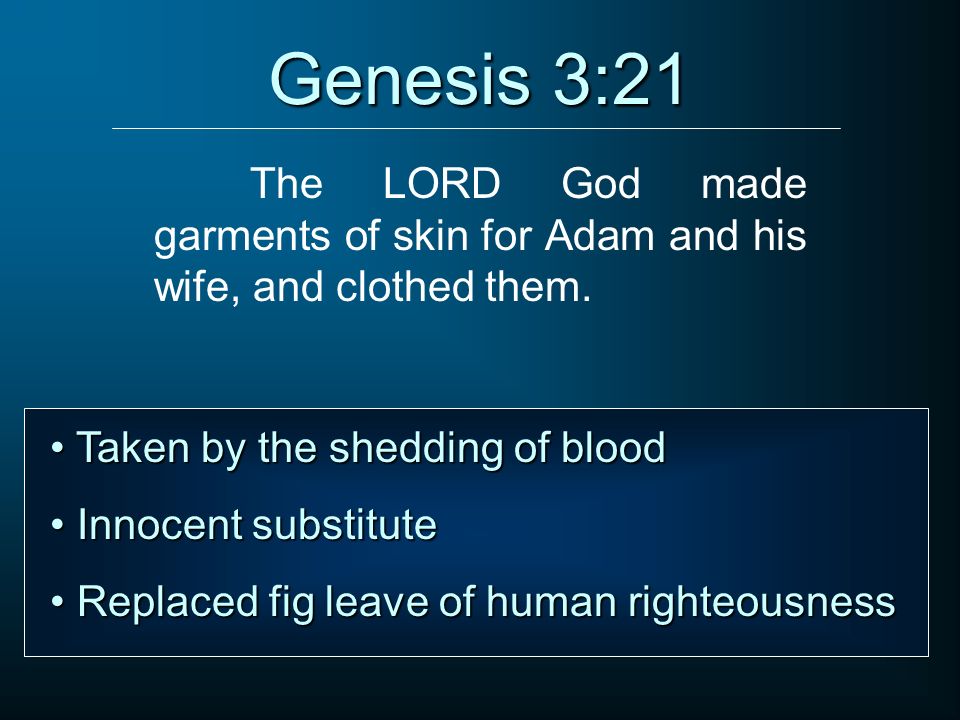
This sinless sacrifice for the sin of Adam and Adam’s descendants was ordained “before Time began” (2 Timothy 1:8-10). This sinless sacrifice was first pictured in Scripture immediately subsequent the declaration of war in Genesis 3:15 as we see Elohim, in Genesis 3:21, Himself, shedding innocent blood (innocent substitutionary death) and clothing Adam and his wife, Eve, in a gifted-imputed “robe of righteousness” (2 Corinthians 5:21) while Elohim simultaneously rejected Adam’s works, self-righteous attempt to cover his own shame and sin by the works of his own hands via fig leaves (Ephesians 2:8-9). This demonstrates the essential precepts of the Gospel of Jesus our Messiah.
The remaining of all Scripture is oriented toward Elohim’s objective of introducing His Messiah into the World “to destroy the works of Satan” (1 John 3:8b) through a selfless act of sacrifice as demonstrated by Messiah at Golgotha; this, 4000-years subsequent the declaration of war articulated in Genesis 3:15 via a Gospel first demonstrated in Genesis 3:21.
The previous 6000 years of war and horror upon the Earth in conjunction with the 1000-years of Millennial peace as Satan is bound and barred from influencing human kind, this will demonstrate to the faithful angelic creation, who observes these horrors upon Earth, that their former leader, Satan, is truly the culprit for all sin and divisiveness and hate and sorrow and unfathomable suffering.
At the culmination of the Millennial Kingdom, Satan will be released and Satan will once again deceive the Nations to rebel against Jesus/Yeshua and His Millennial Kingdom. This final rebellion will eternally convince the faithful angelic creation that Elohim is justified in relegating Satan and the fallen angels to torment in Hell, forever (Revelation 20:10).
Elohim will have successfully destroyed the works of Satan (death-Hell-the grave) via selfless love at Golgotha while Elohim will have successfully maintained volitional love with His angelic creation that He adores beyond human comprehension. As opposed to losing volitional love by arbitrarily confining Satan in Hell for the Great Rebellion, it is the act of Elohim’s selfless love at Golgotha that will convince the faithful angelic creation that Elohim is indeed worthy of all love and adoration and worship, eternally; this, as free will love is maintained and the previous 7000-years of human history will eternally act as a bulwark against future rebellion in the Eternal Kingdom where free will remains extant by necessity.