
Without Torah Law, how does humanity differentiate between good v. evil, righteousness v. iniquity?
How was sin judged in the Kingdom? How was Satan judged of covetousness that initiated his extrication from the Kingdom (Luke 10:18; John 8:44)? How were the Adamic and the Noahic generations judged of demonically inspired defilement worthy of extinction by water save eight (Genesis 6)?
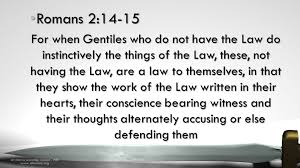
“Where there is no law there is no sin” (Romans 4:15; 5:13); therefore, the Spiritual Law or “the Law of the Spirit of Life” (Romans 2:14-15; Romans 8:2) was actively working within the Eternal Realm and upon the Earth, thousand of years prior to Sinai, judging the thoughts and intent of man’s heart. Sinai’s laws were nothing new or novel but simply a codification of the Spiritual Law written upon the heart of humanity on Day-6 as Elohim created human kind in His spiritual image and imparted certain divine communicable attributes into human kind for the Father’s eschatological purposes going forward.
Torah Law was given exclusively to Israel’s children and sojourners with them as a bulwark against the failures of the Adamic/Noahic generations and their compromise with evil which thwarted their viability as progenitors of the Messiah who would enter the Realm of Time specifically “to destroy the works of the devil” (1 John 3:8b) via a battle strategy now known as “the Gospel” which was ordained “before Time began” (2 Timothy 1:8-10; Genesis 3:21). In the New Covenant, the Spiritual Law is used almost exclusively by the indwelling Holy Spirit via a redeemed conscience (2 Corinthians 5:17) to produce fruits of righteousness (Galatians 5) through the redeemed that honors the Father and furthers His eschatological work going forward.
Torah plays very little, if any, significant role in the work of the Spirit in the New Covenant as the Spiritual Law of the Spirit of Life (Romans 8:2) takes precedent and will continue to take precedent as Elohim’s arbiter of free will throughout Eternity as free will remains extant in Eternity by necessity.
 "RickeyD" Holtsclaw